Dilute Phase Pneumatic Conveying
Dilute Phase Pneumatic Conveying for Material Transfer

Dilute phase conveying for short to medium distances with free-flowing, non-fragile materials.
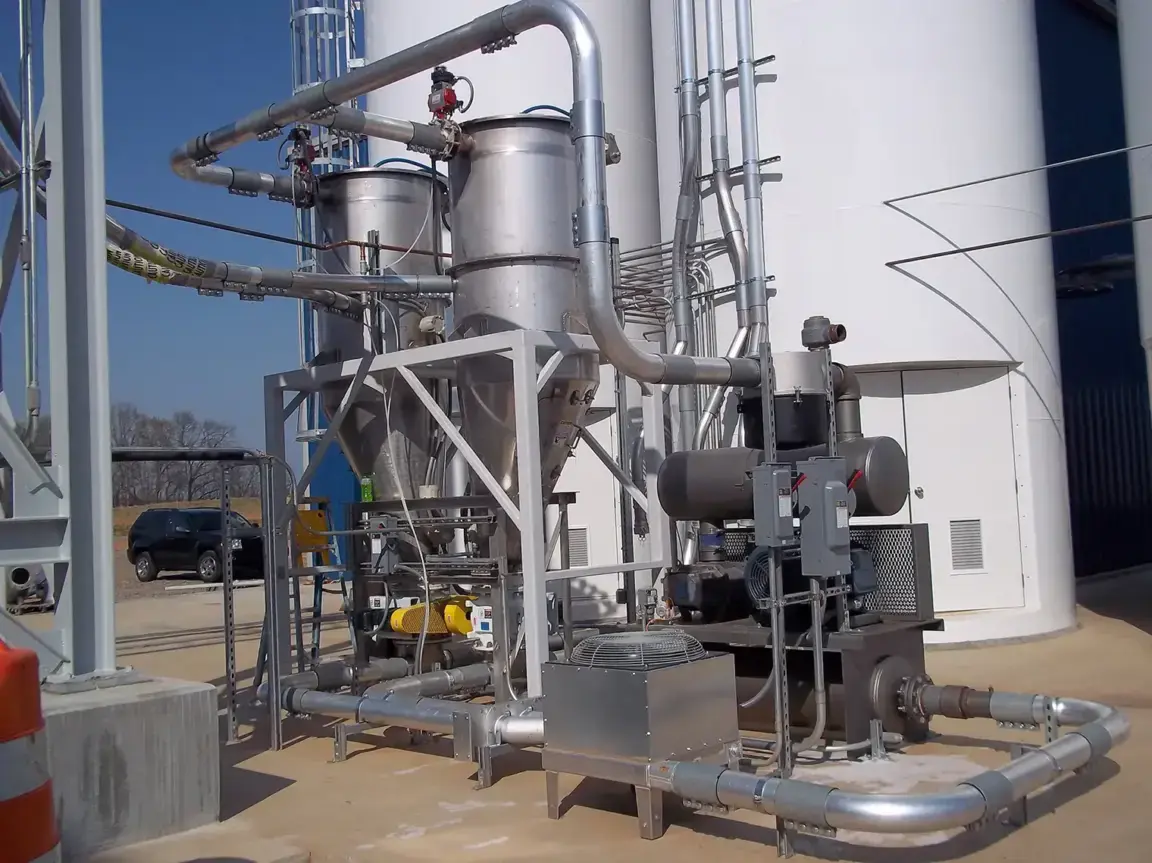
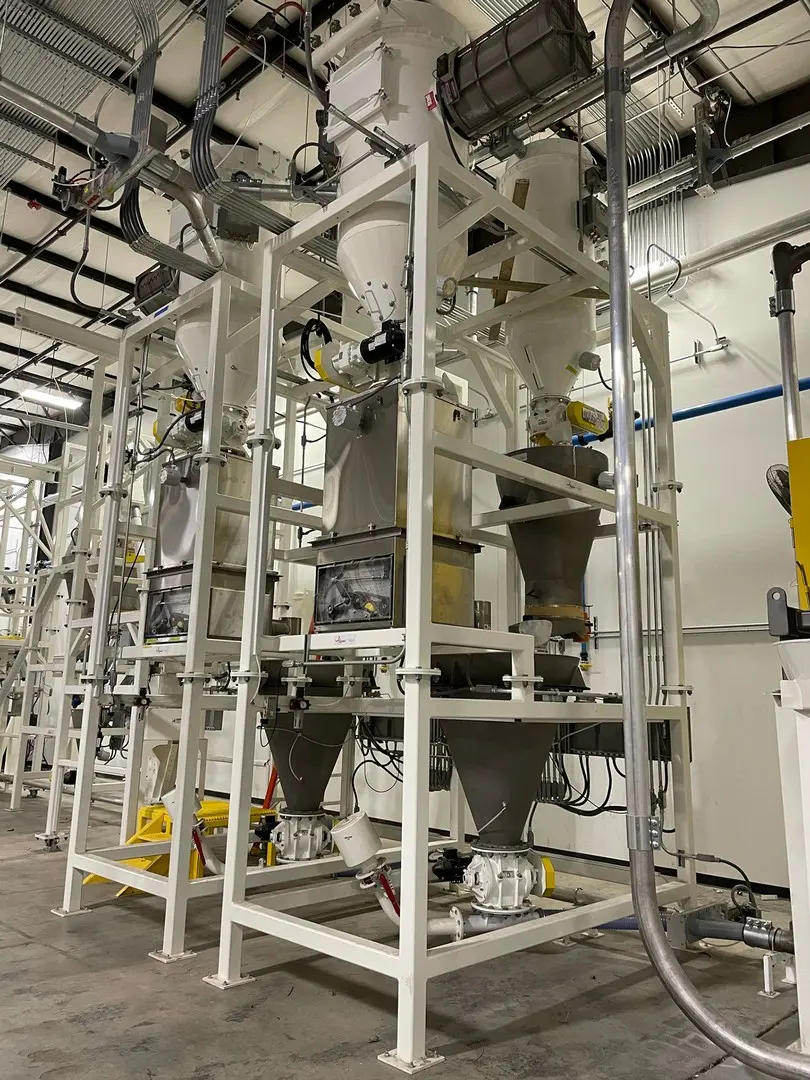
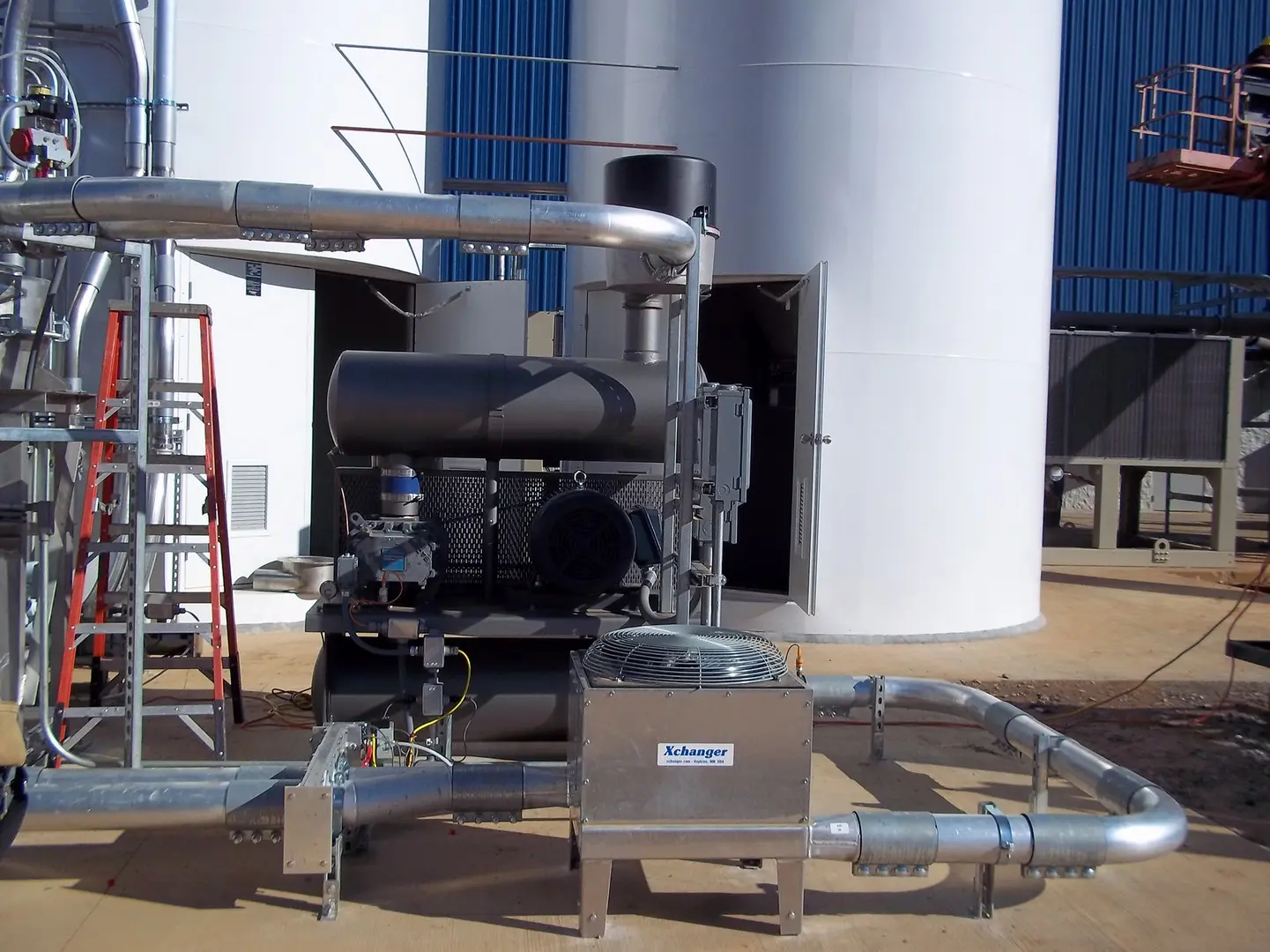
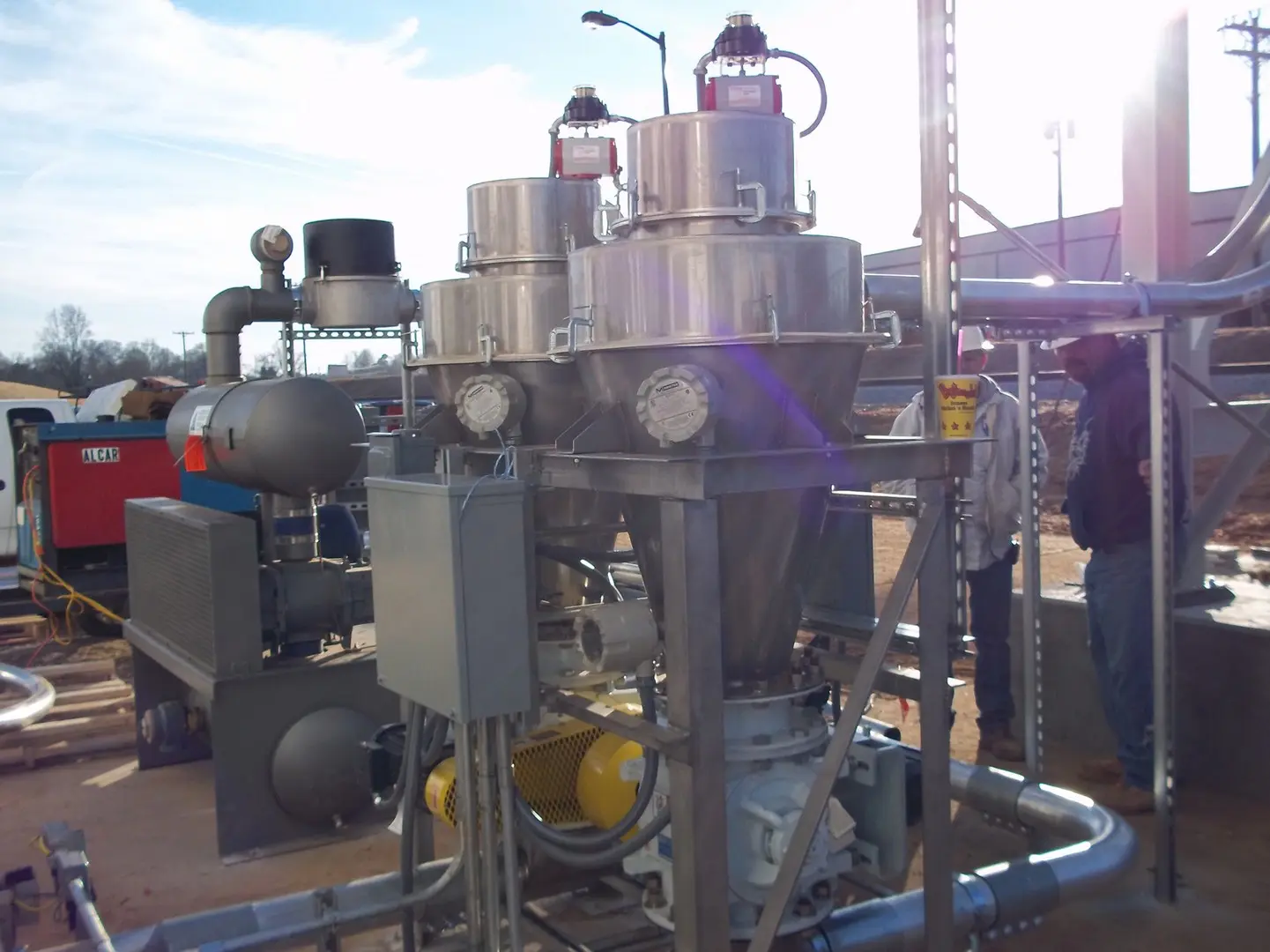
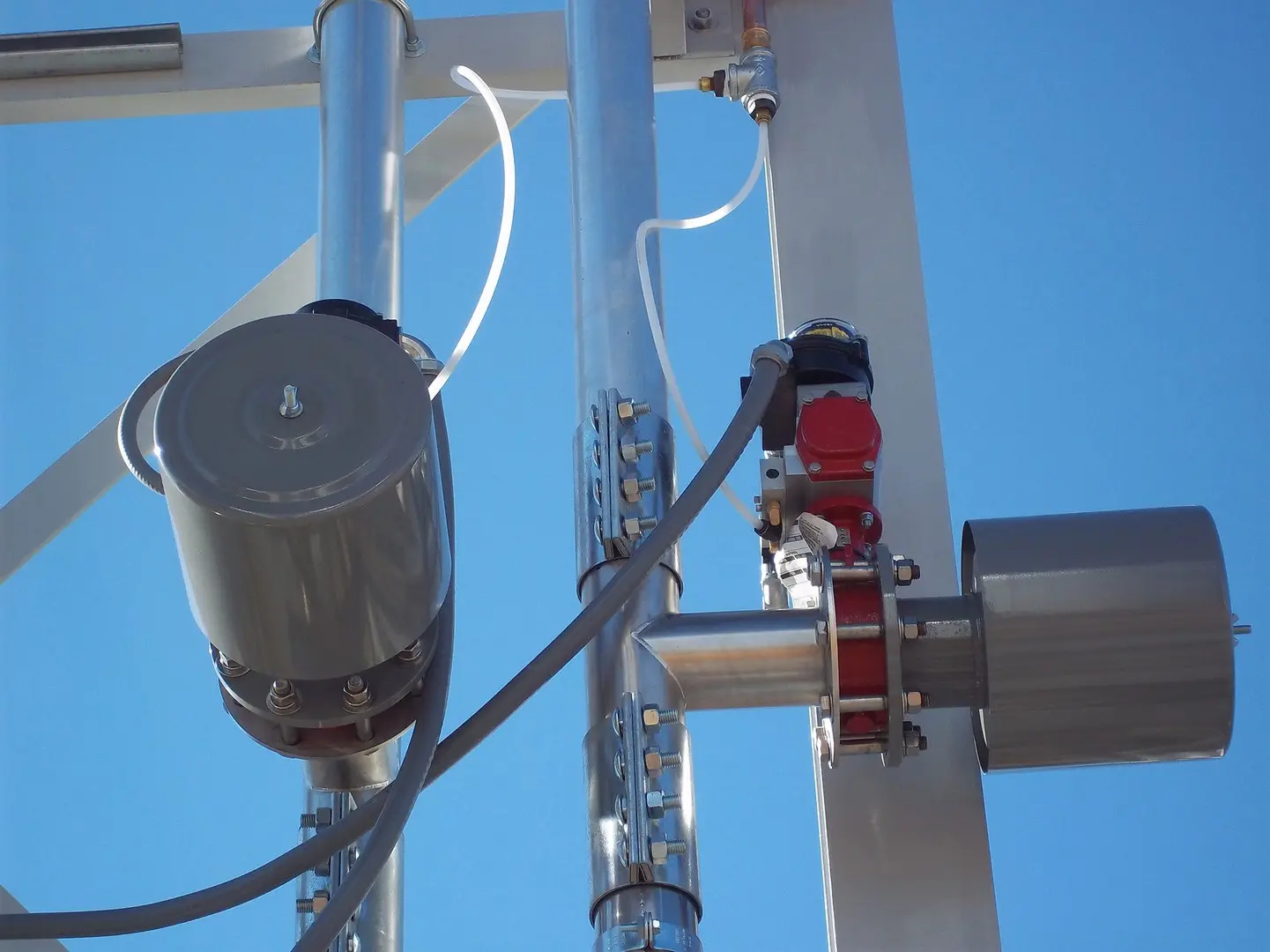
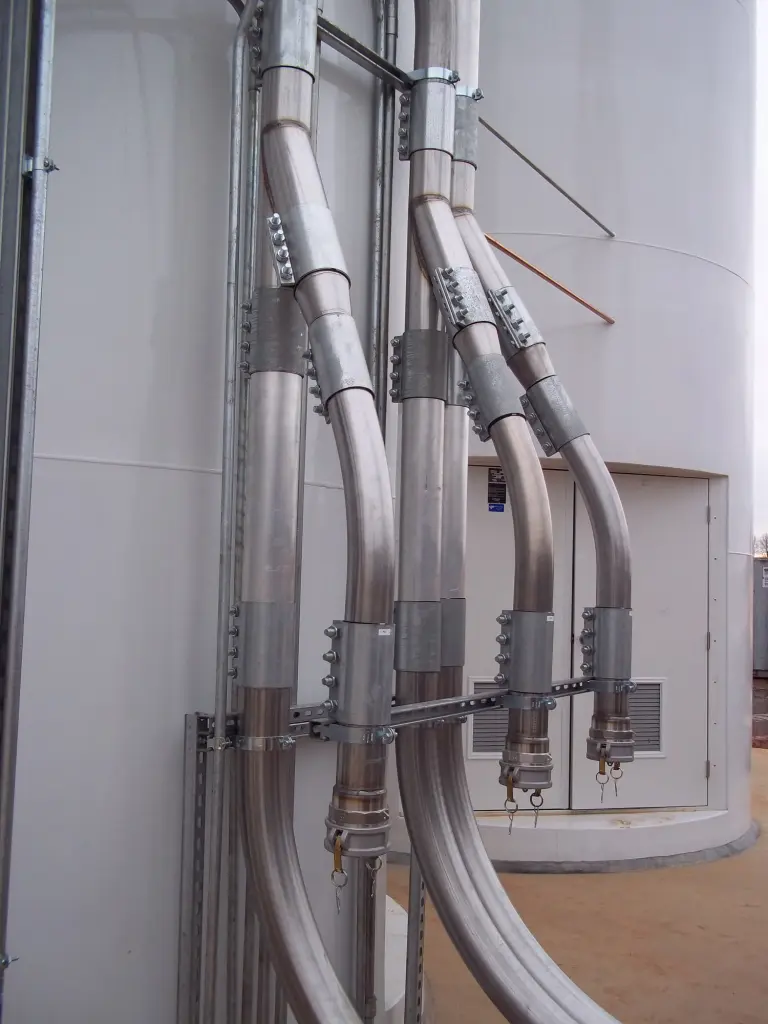
At CMT Process Solutions, we design and implement dilute phase pneumatic conveying systems that deliver reliable, high-speed transport of powders, pellets, and bulk solids across a wide range of industries. From simple point-to-point transfers to fully engineered, integrated systems, our solutions are tailored to your process requirements. We focus on optimizing airflow, system layout, and material handling to ensure maximum efficiency, minimal downtime, and long-term reliability, helping you improve productivity while maintaining clean, safe operations.
þ Contains Dust
þ Prevents Accidental Spills
þ Large Bag Access Chamber
þ Clamp-It™ Bag Spout Seal
þ Close-It™ Bag Spout Closure System
þ Vac-It™ Dust Collection Valve
Overview of Dilute Phase Conveying
Dilute phase pneumatic conveying is a high-velocity transport method in which bulk materials are continuously suspended within an airstream and conveyed through a pipeline via pressure or vacuum. In this mode of conveying, the material remains fully entrained in the airflow, preventing settling or accumulation along the pipeline.
To maintain proper suspension and efficient transport, air velocities are typically maintained between 5,000 and 8,000 ft/min, depending on material characteristics. At Carolina Material Technologies, our engineering experts recognize that each material presents unique handling requirements, and system design is optimized accordingly to ensure reliable, efficient conveying performance.
Flow Diagram
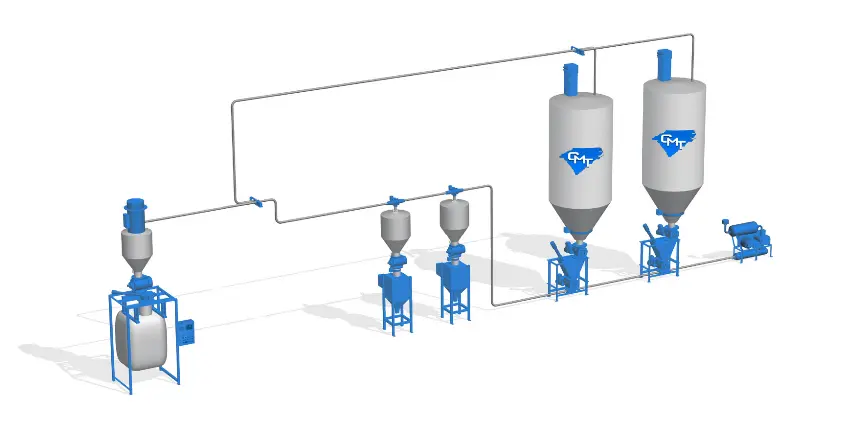
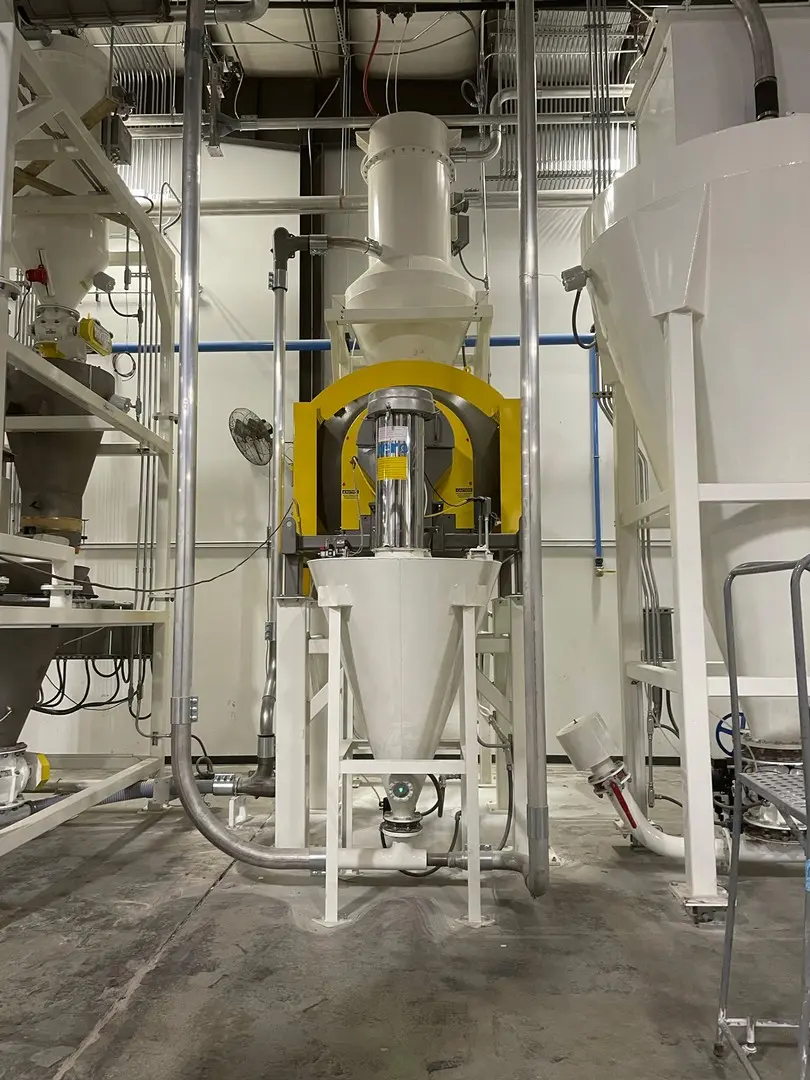
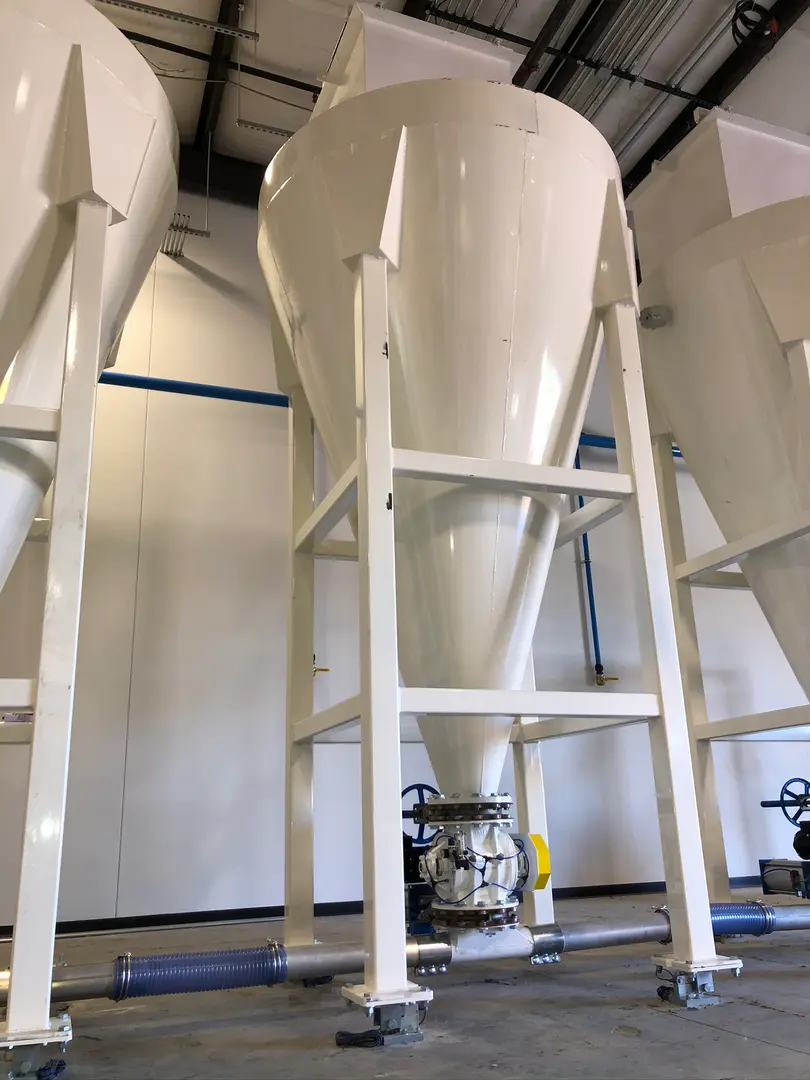
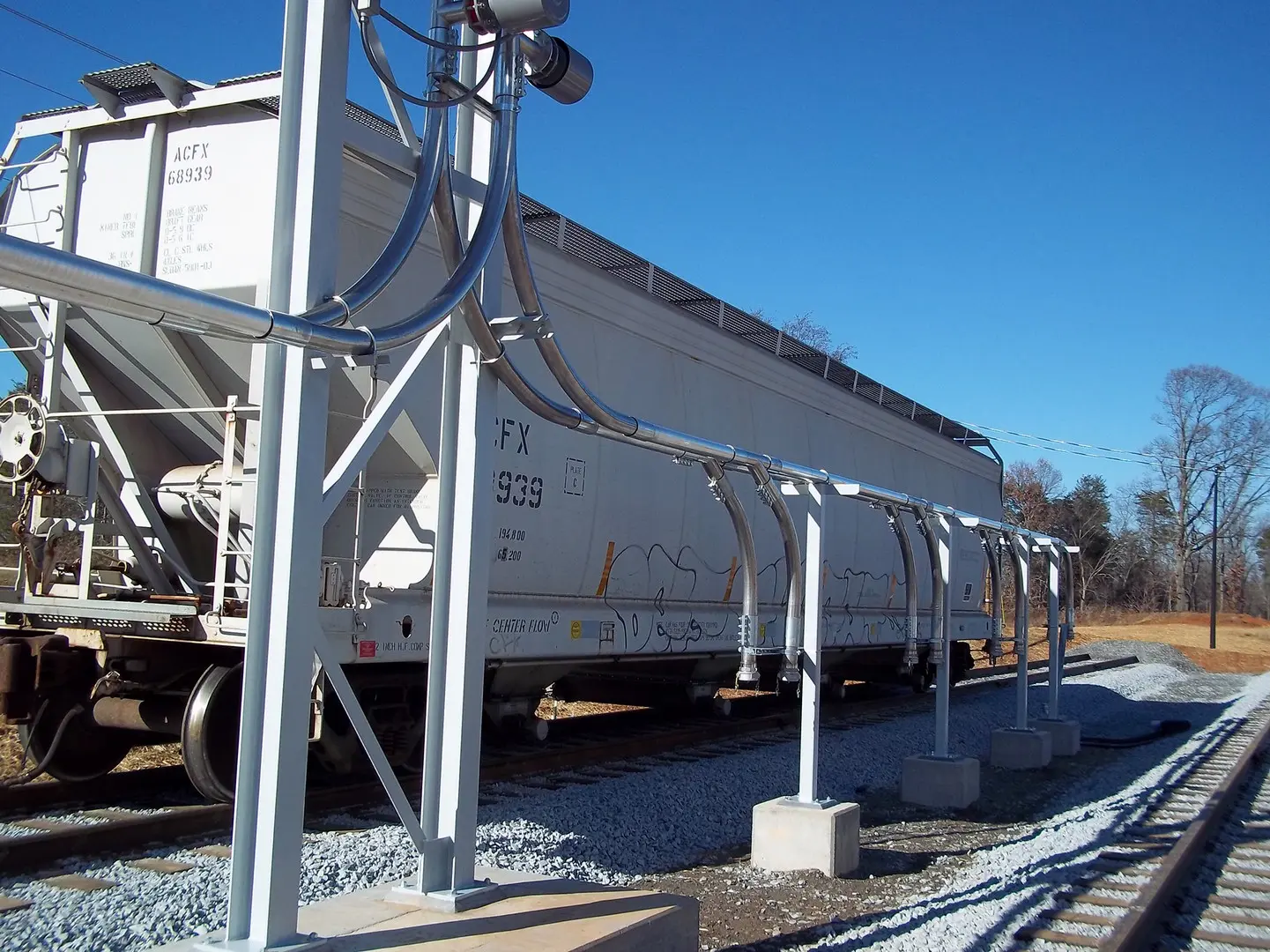
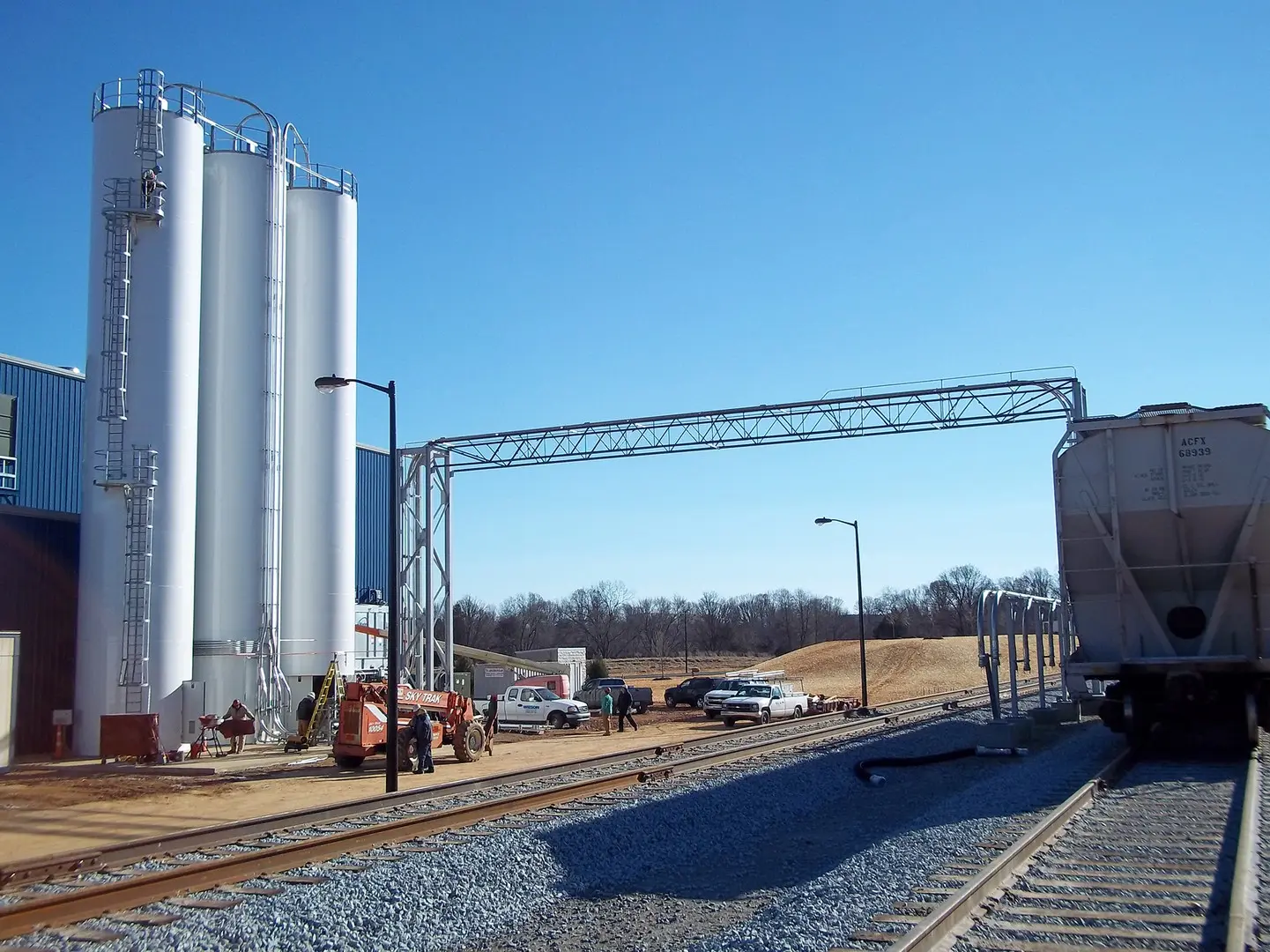
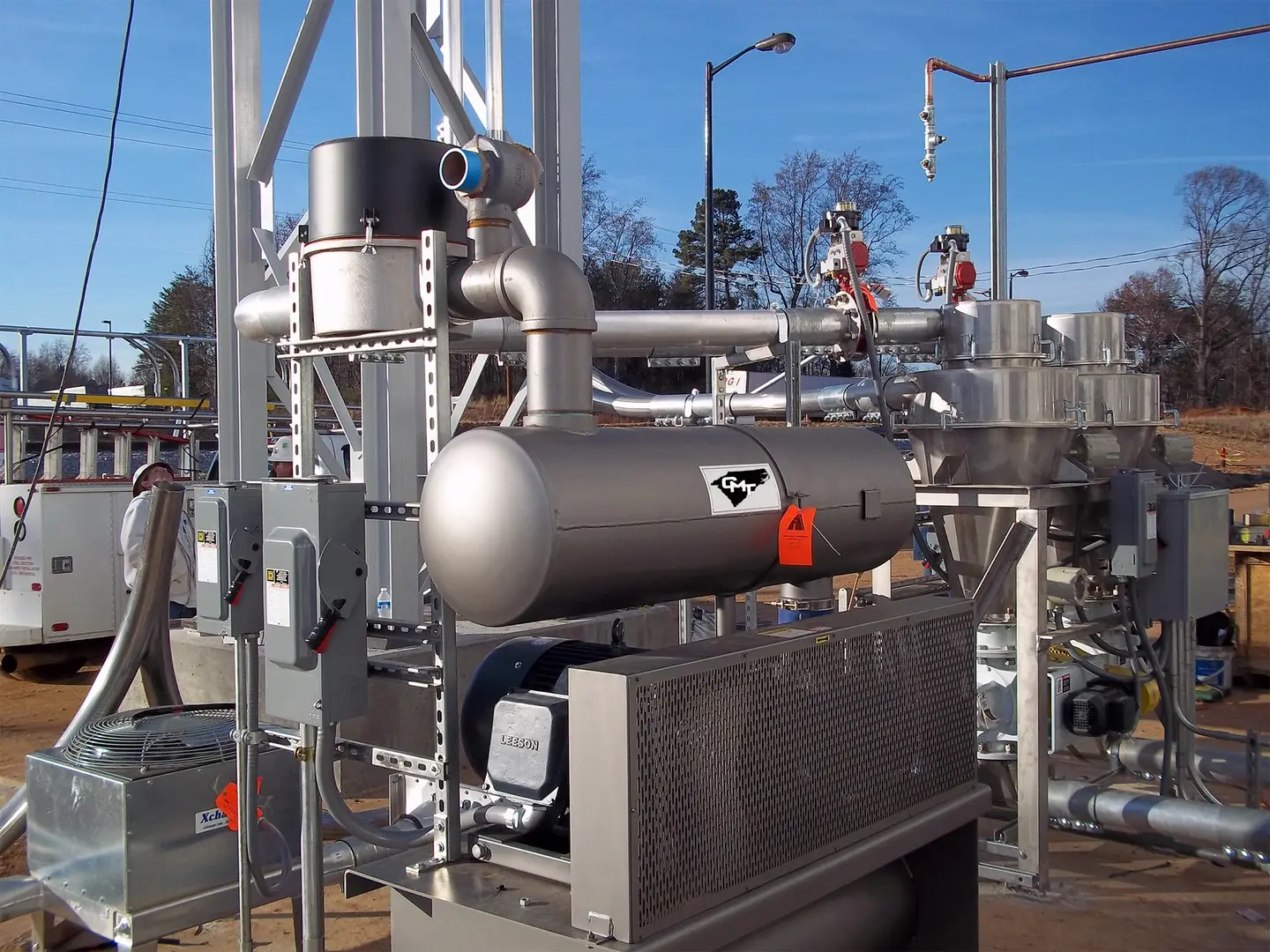
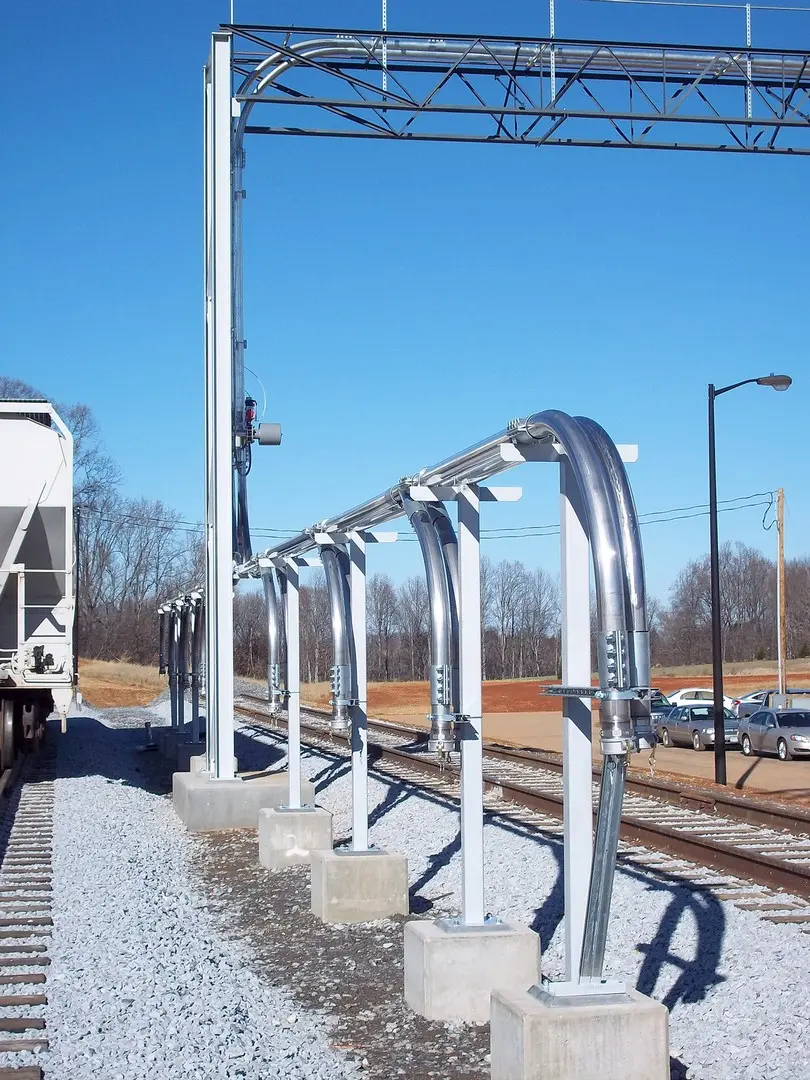
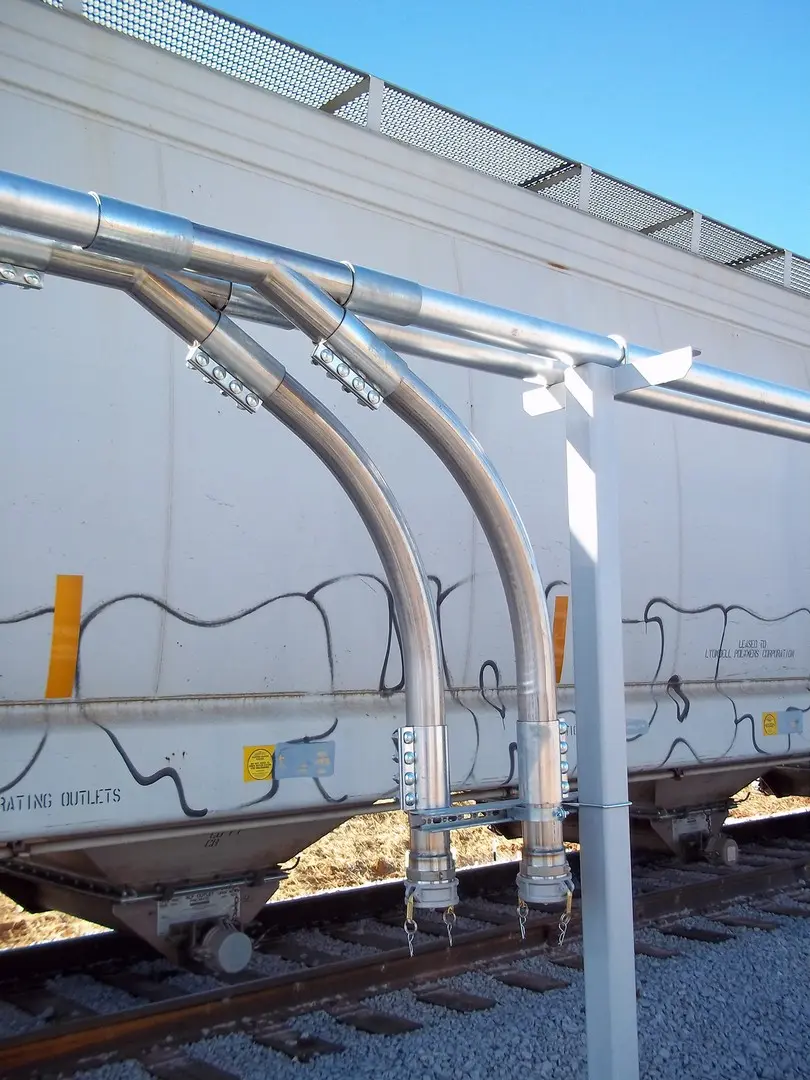
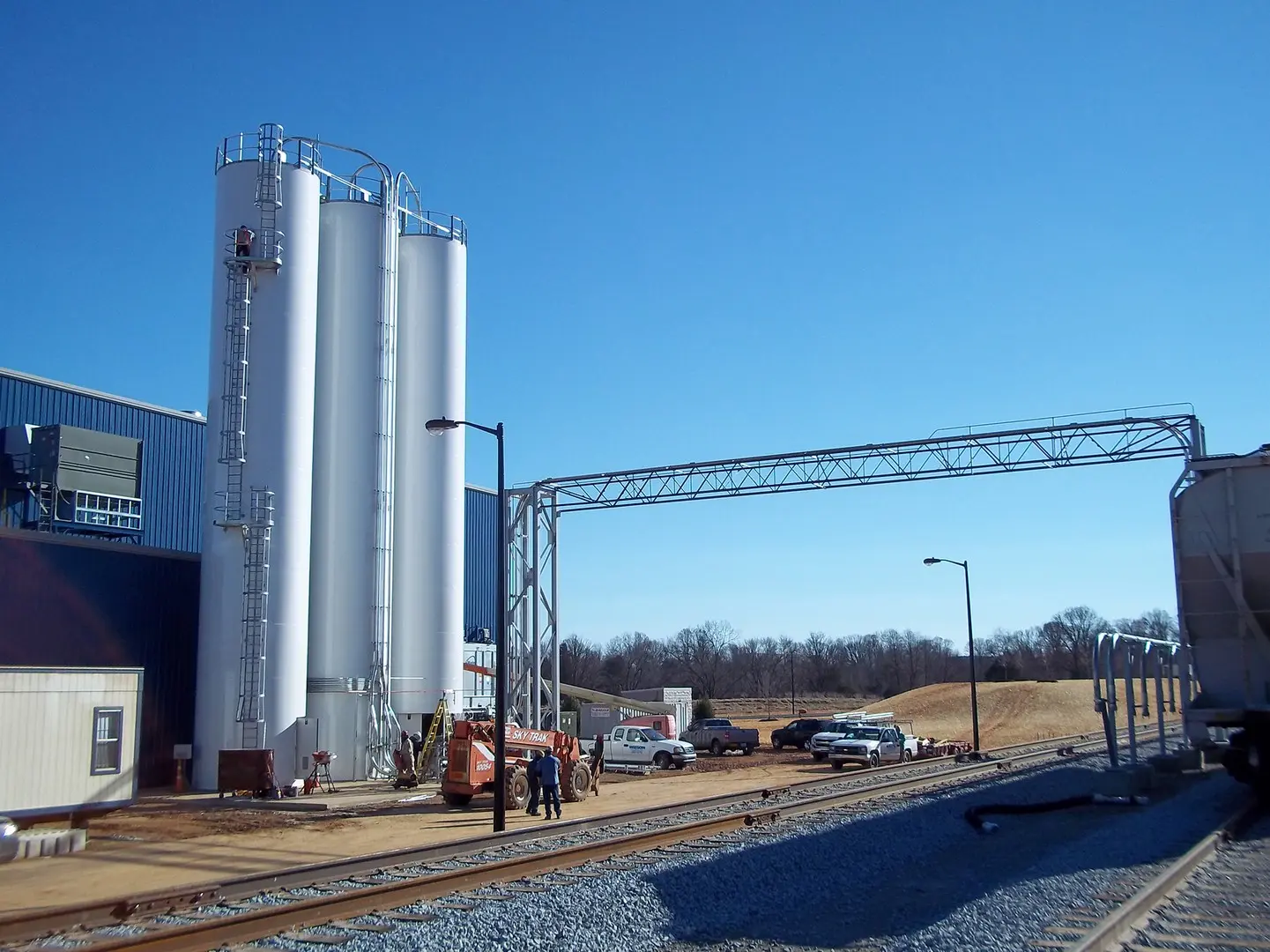
In this typical dilute phase system, flowable products are unloaded using a vacuum/pressure unloading system from railcar to storage silos. Products are then conveyed from the silos to in-plant process areas using a separate pressure system. Dilute phase systems are generally used when conveying non-abrasive materials or where high material velocities are not a factor.
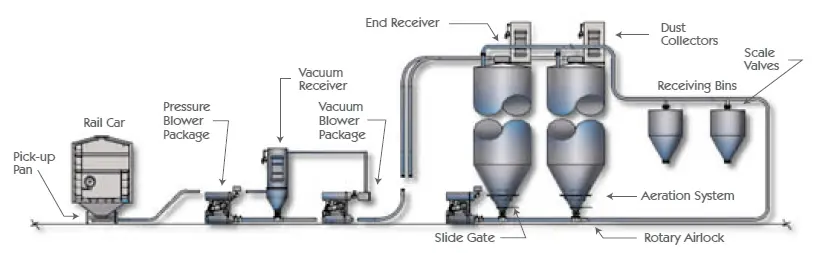
PRESSURE-OPERATED DILUTE PHASE CONVEYING SYSTEMS
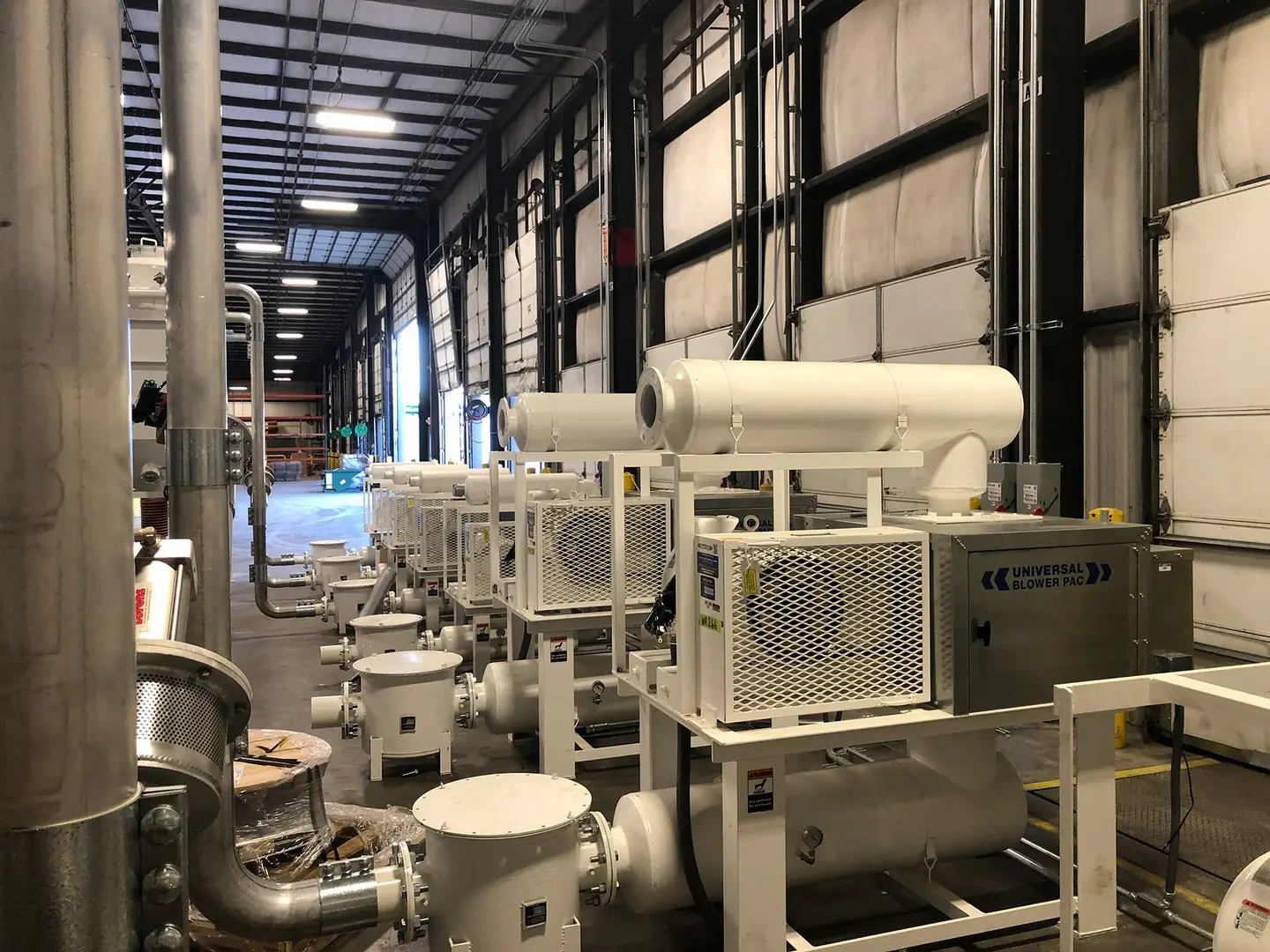
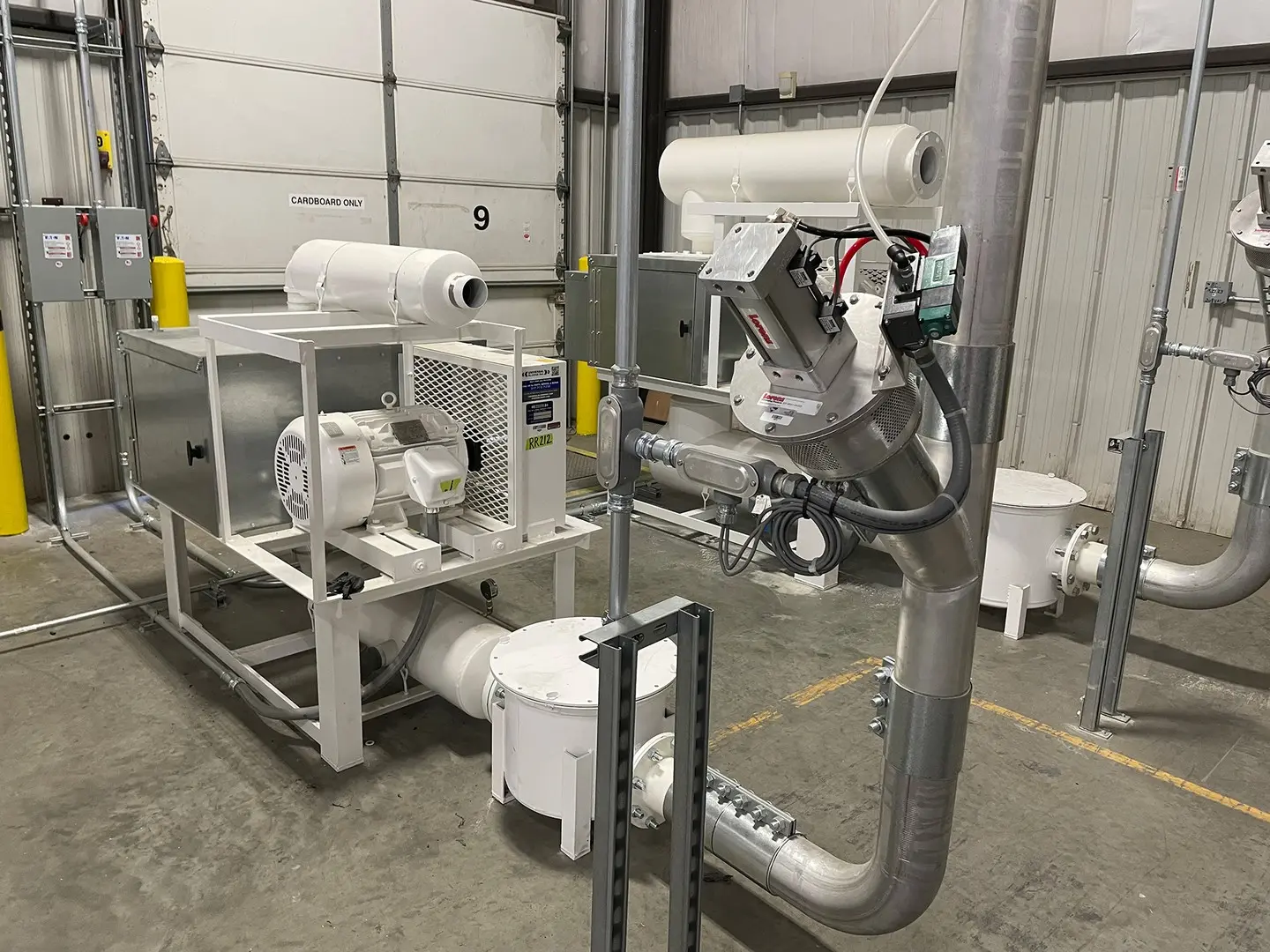
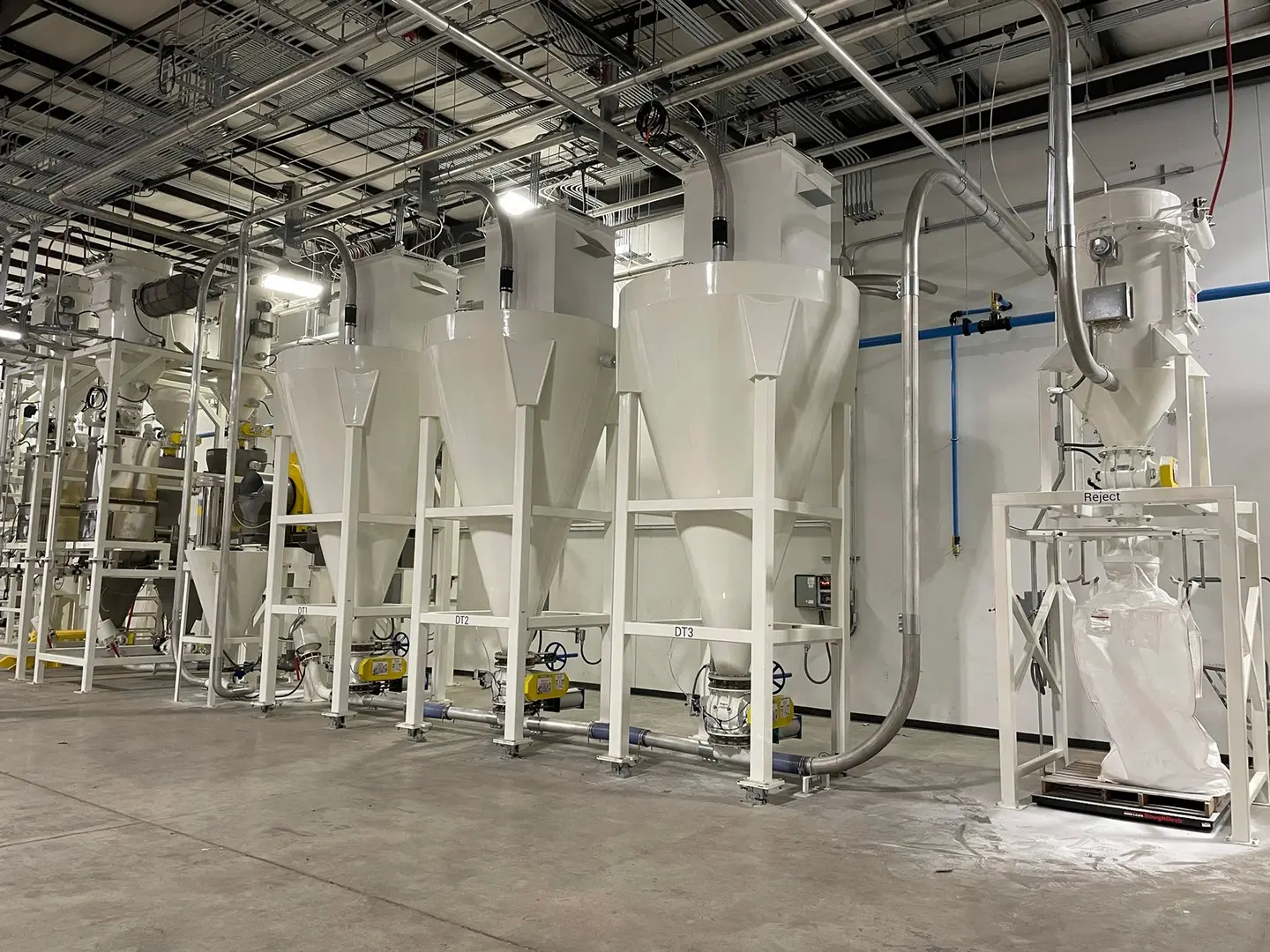
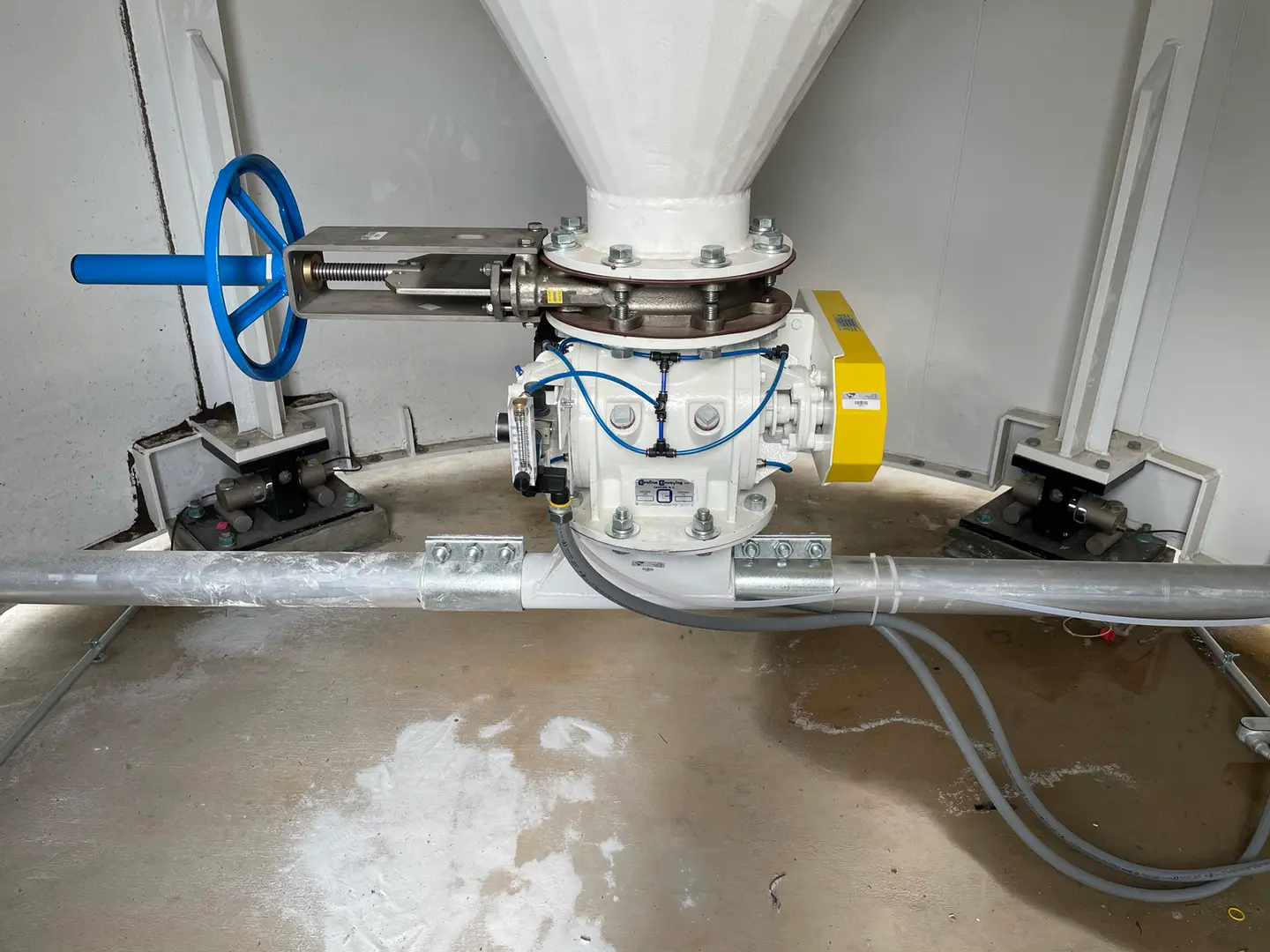
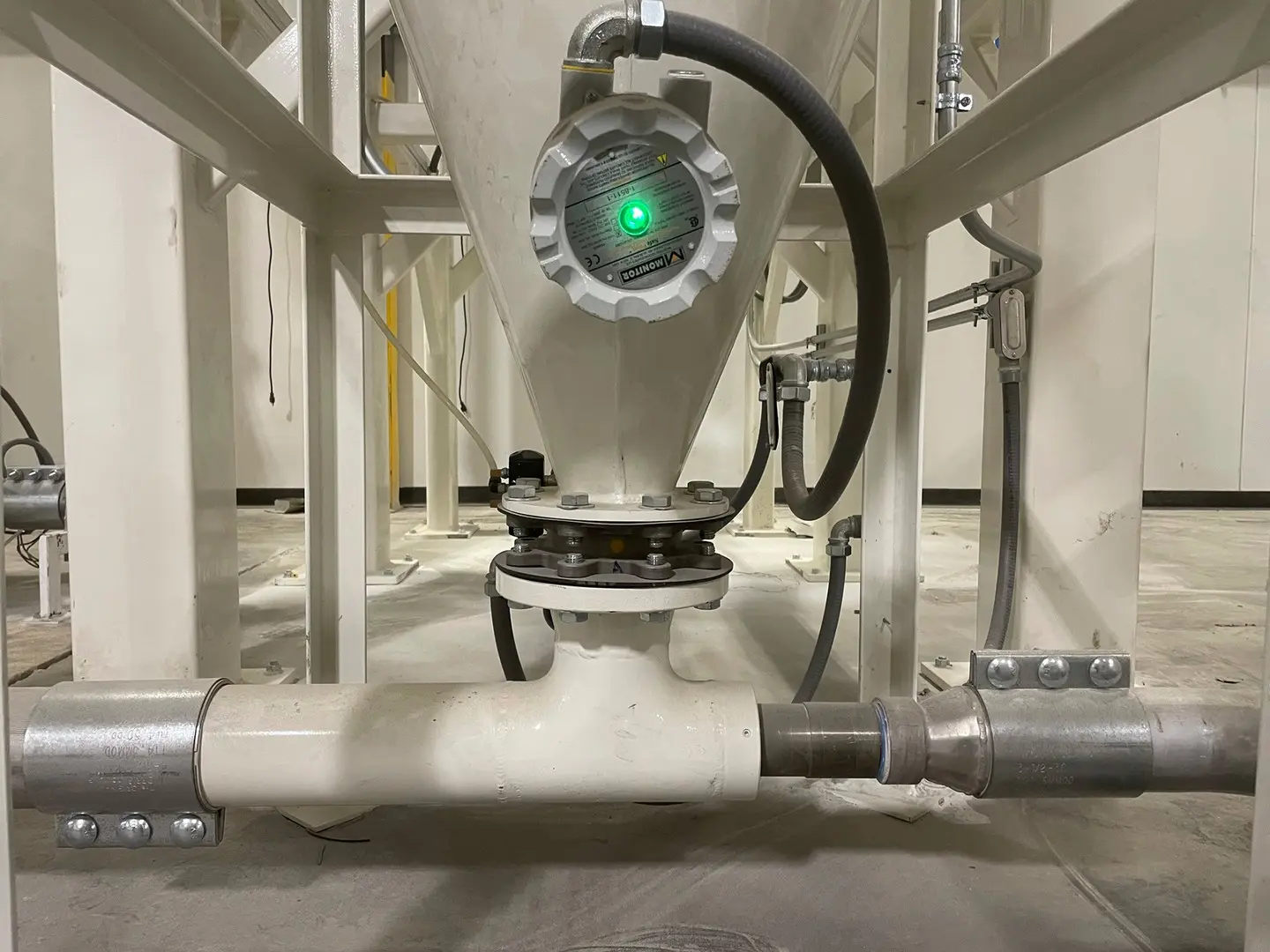
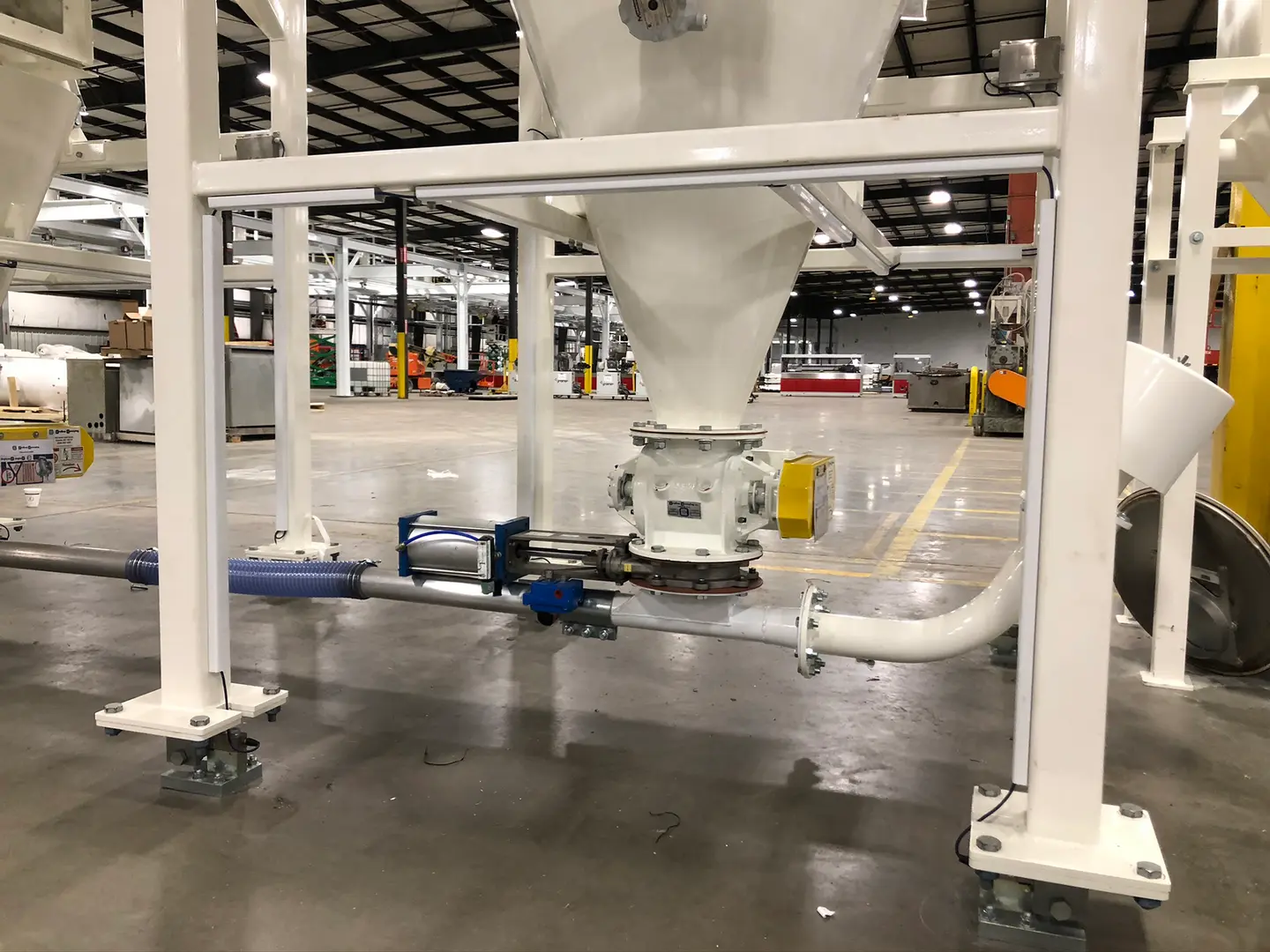
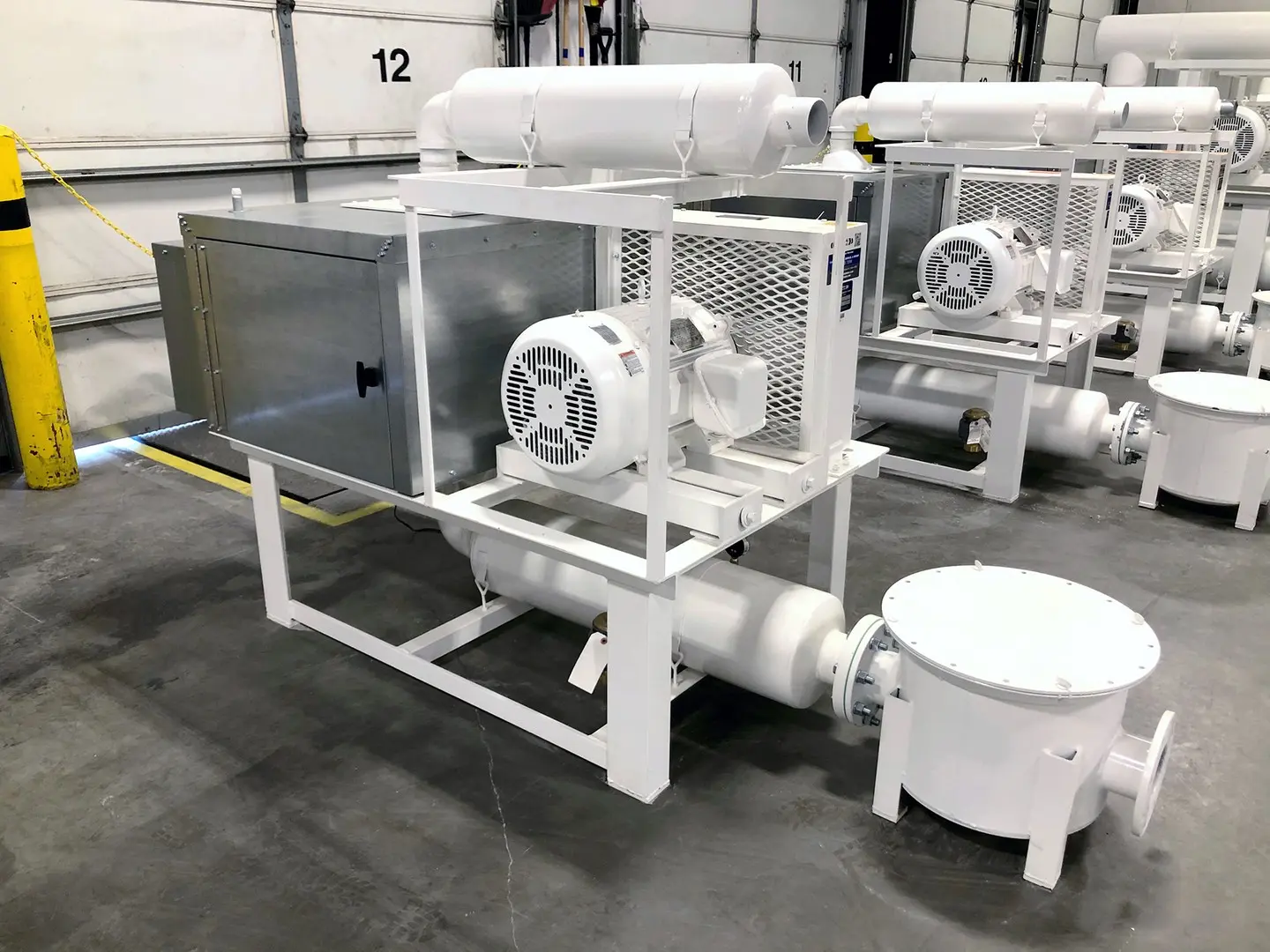
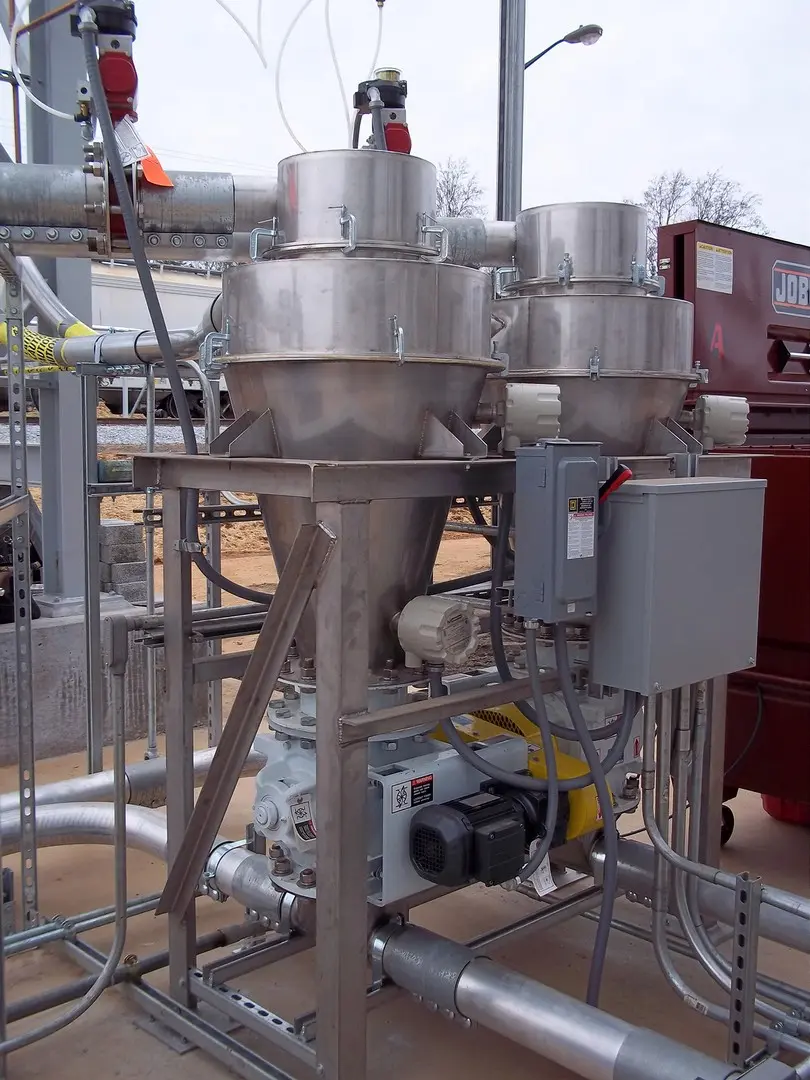
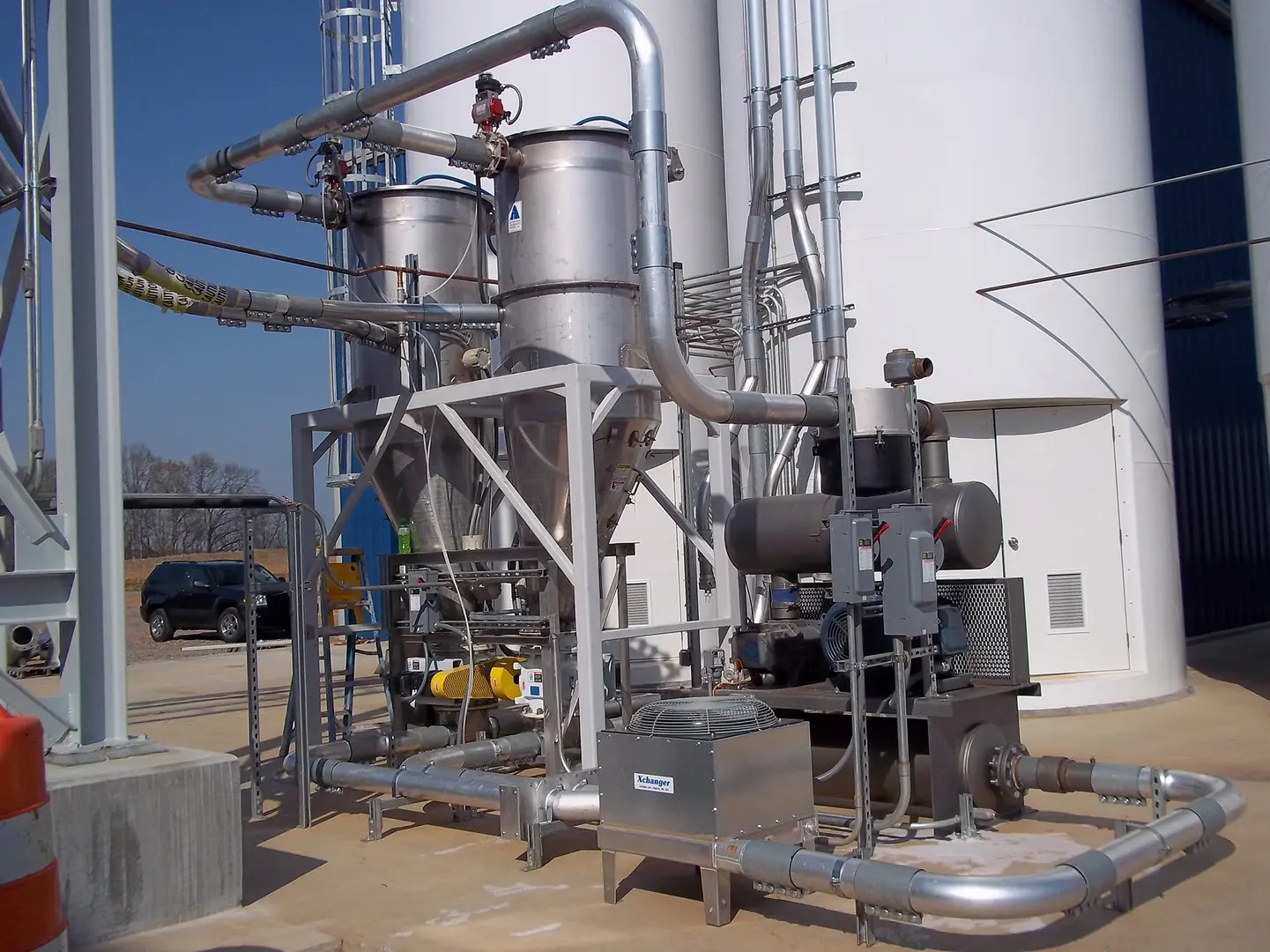
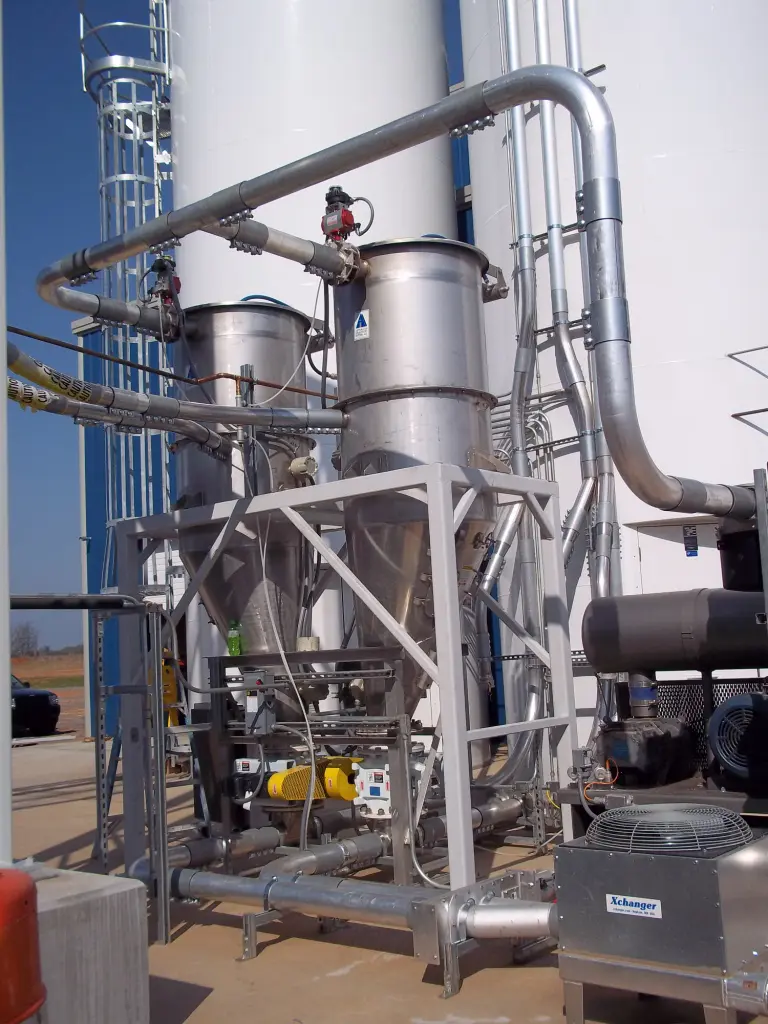
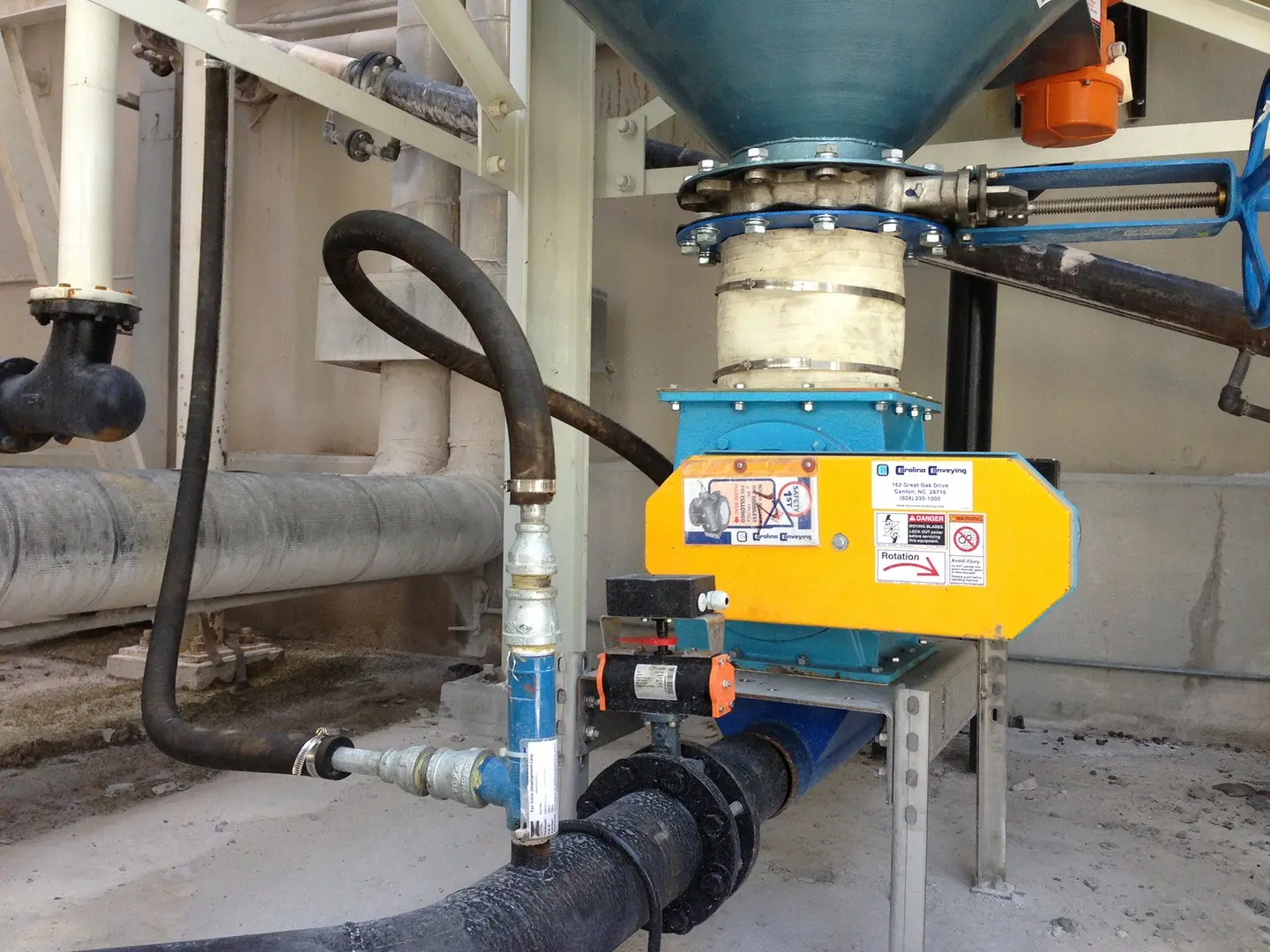
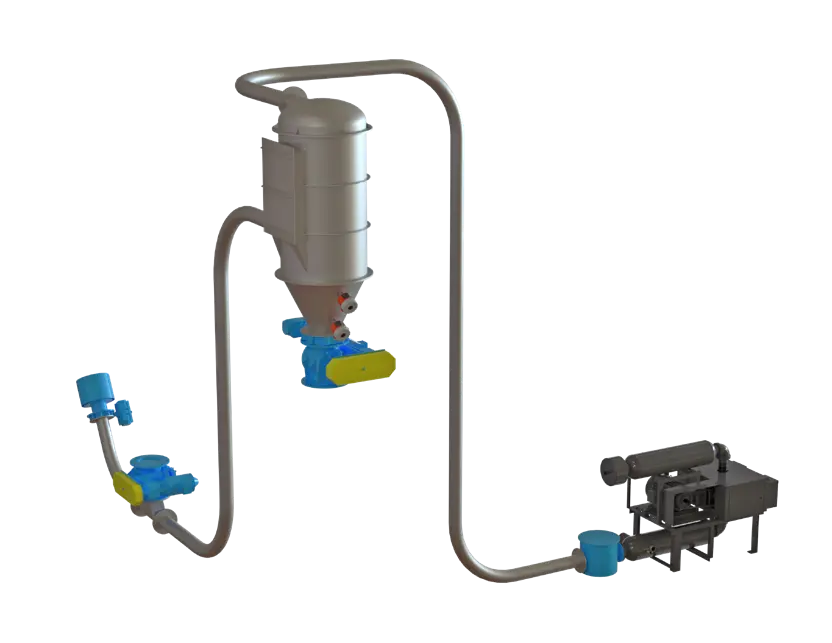
In pressure-operated dilute phase systems, centrifugal fans or positive displacement (PD) blowers generate airflow that propels material through the pipeline. At the destination, air and material are separated using filters, cyclones, or other separation equipment. Specialized feeding devices are utilized to introduce material into the pressurized conveying line while maintaining system integrity. Once introduced, the material is conveyed in suspension at controlled, optimal velocities.
Carolina Material Technologies offers two primary pressure conveying configurations:
- Batch Dilute Phase Pressure Systems - Material is conveyed in discrete batches, either at the feed point, the destination, or both. This method is suitable for applications requiring controlled, intermittent transfer.
- Continuous Dilute Phase Pressure Systems - Material is fed continuously into the system and delivered in a steady, uninterrupted flow to the destination, ensuring consistent process integration.
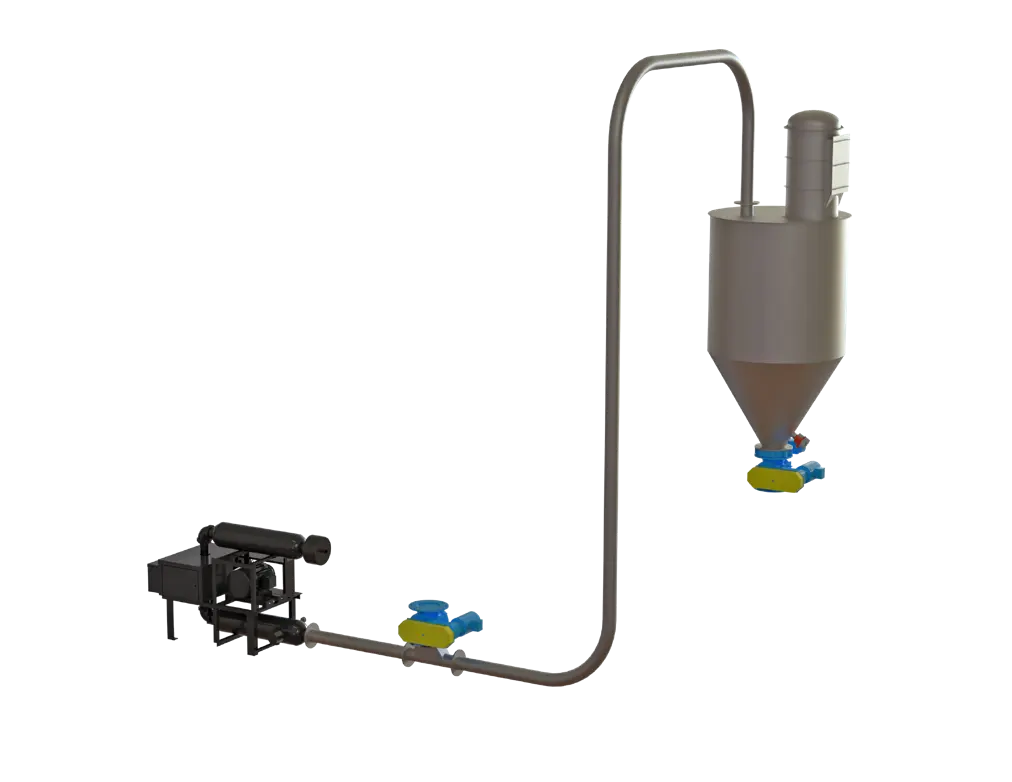
VACUUM-OPERATED DILUTE PHASE CONVEYING SYSTEMS
Vacuum dilute phase conveying systems utilize centrifugal exhausters or positive displacement (PD) blowers to generate negative pressure—typically up to 50% vacuum—drawing material through the pipeline. At the receiving point, the conveyed material is separated from the airstream using filters, cyclones, or similar separation equipment.
Carolina Material Technologies offers both continuous and batch vacuum conveying solutions:
- Continuous Dilute Phase Vacuum Systems - Material is introduced directly or through a feeding device into the conveying line, where it remains suspended in the airflow and is transported at optimal velocity. The material is continuously collected in a receiving vessel and typically discharged into the process via an airlock system.
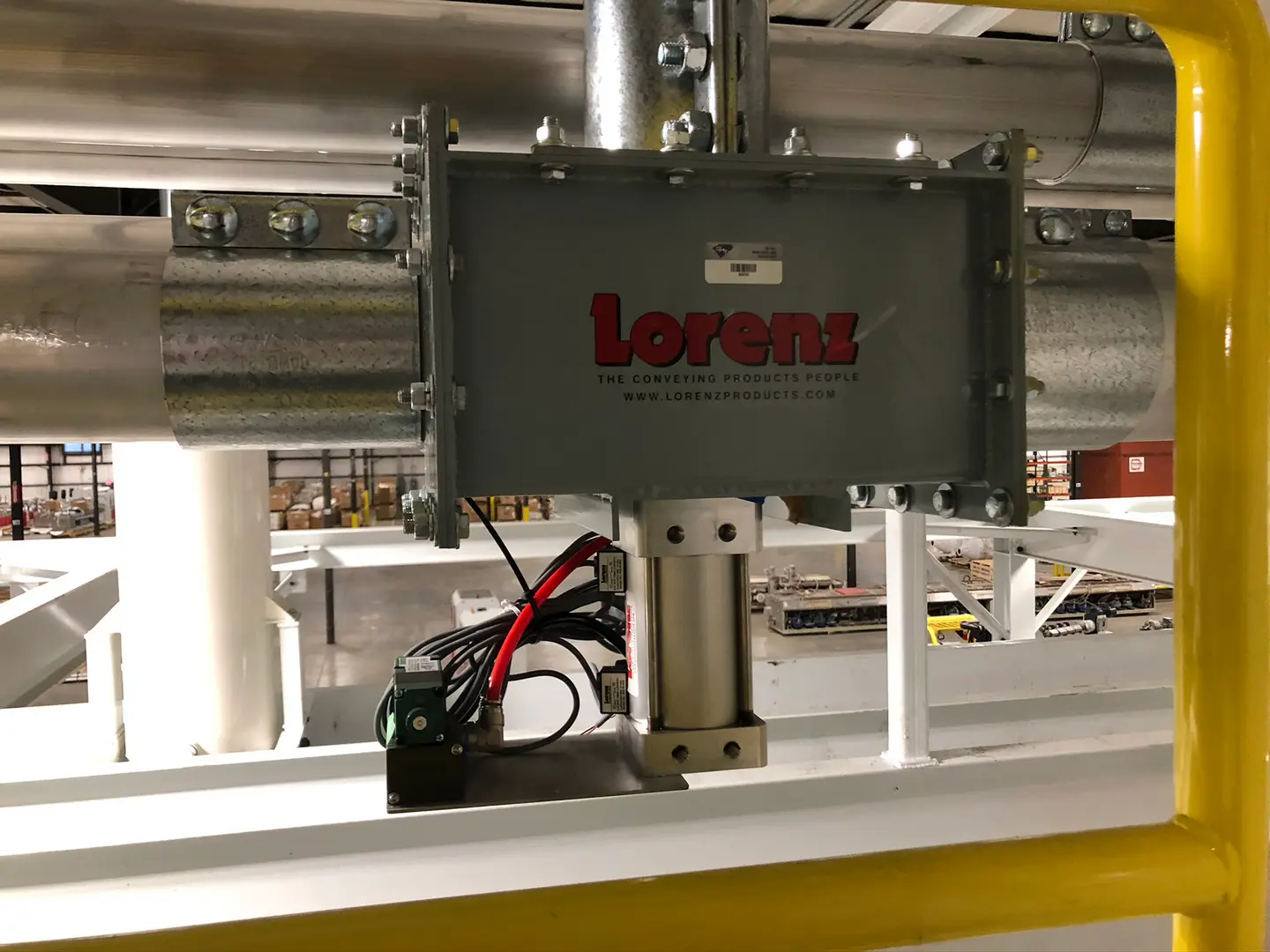
- Batch Dilute Phase Vacuum Systems - Material is conveyed intermittently to a receiving vessel and discharged in cycles through gravity or air-operated valves. This configuration is often more cost-effective, as it eliminates the need for a continuous discharge airlock.
Features and Advantages
Features of Dilute Phase Conveying
- Suspension Flow Mechanism - Material is conveyed in suspension within the air stream inside the pipeline
- High Air Velocity - Operates at high velocities (≈ 18–35 m/s) to keep particles suspended
- Low Pressure System - Works at low pressure (below 1 bar)
- High Air Volume Requirement - Requires large air volume compared to dense phase
- Low Material-to-Air Ratio - Typically operates with loading ratios up to ~10
- Continuous Conveying Mode - Material is conveyed in a continuous flow, not batch-wise
- System Types - Can be configured as Positive pressure systems or Vacuum systems
- Suitable Operating Range - Typically used for: Shorter distances (up to ~150 m), and Lower capacities (<10 TPH)
Advantages of Dilute Phase Conveying
- Lower Initial Investment - More economical upfront compared to dense phase systems
- Simpler System Design - Uses less complex equipment and configuration, making it easier to design and implement (implied from system comparison and economics section)
- Cost-Effective for Short Distances & Low Throughput - Most economical when: Conveying distances are shorter, and Material flow rates are low
- Flexibility in Application - Can handle different materials and be configured as vacuum or pressure systems
- Continuous Operation - Suitable for processes requiring steady, uninterrupted material flow
- Good for Low-Density Materials - Preferred for lightweight / low-density materials